

Academics

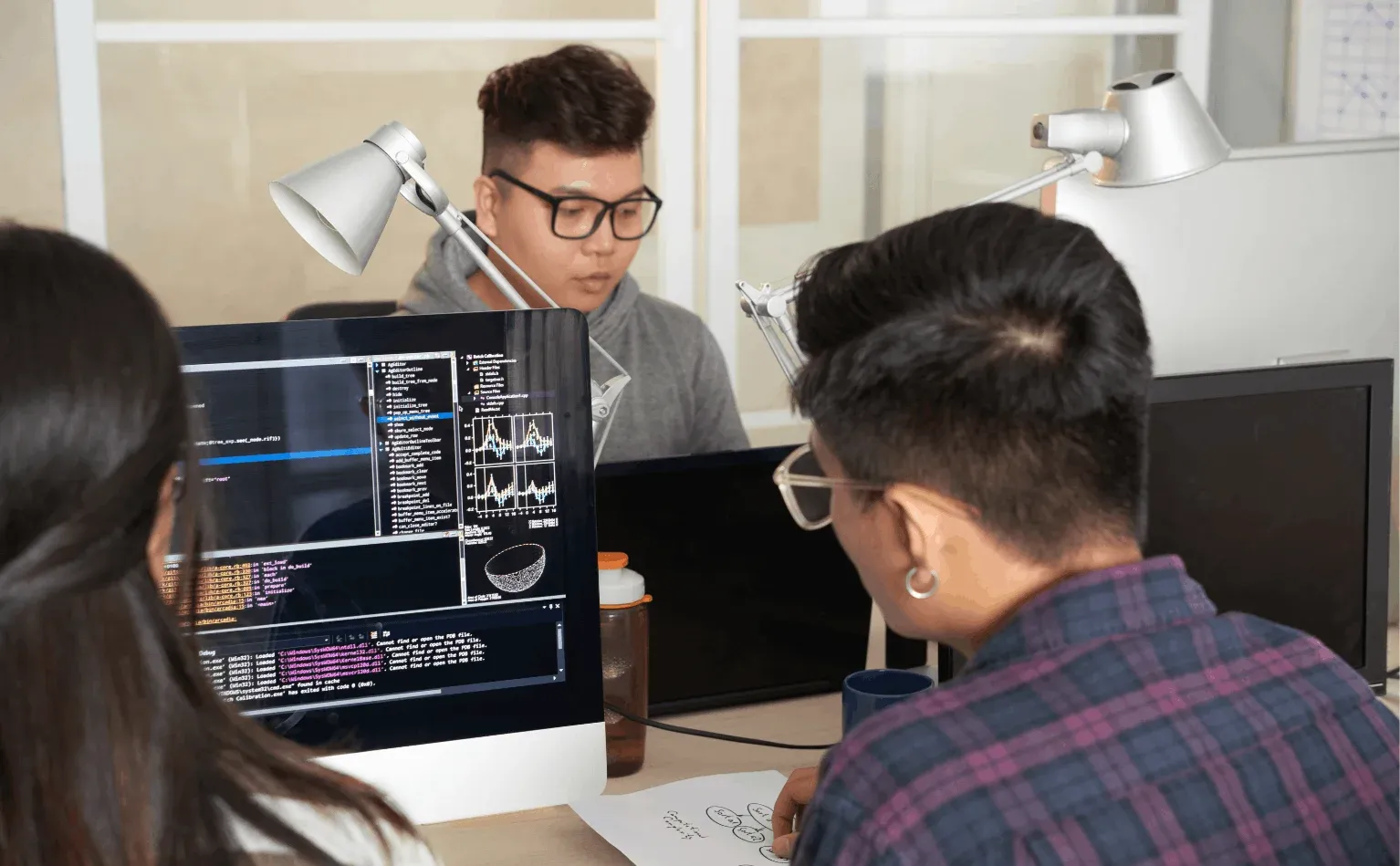
AIRESΒ emphasizes aΒ hands-on, research-driven, and collaborativeΒ approach to learning. Participants engage inΒ faculty-guided research or passion projectsΒ through four integrated modules:Β Lectures,Β Professional Workshops,Β Problem-Driven CoLab, and theΒ Immersive Symposium,Β bridging theory and application.Β 
Β 
Beyond formal sessions, students continue learning throughΒ independent inquiry, teamwork, and mentorshipΒ from leading universities and research centers, developing bothΒ academic expertiseΒ andΒ real-world impactΒ that extend far beyond the classroom.

Interdisciplinary Academic Tracks

AI Engineering & Innovation (AEI)

Designed for students interested in computer science, robotics, and engineering who want to turn ideas into intelligent systems and real-world solutions. Guided by university faculty and industry mentors, students explore how AI drives automation, robotics, and smart design through interactive workshops, hands-on projects, and collaborative research.

Students with a strong foundation in mathematics and prior exposure to computer science or robotics will be best prepared to excel in this track. By the end of the program, participants will have either conducted research in areas such as machine learning, computer vision, human-robot interaction, and autonomous systems; or will have designed original prototypes and models that showcase both technical creativity and innovative problem-solving.

AI in Biomedicine & Health (ABH)

Designed for students interested in biology, neuroscience, data science, or medical science who want to explore how AI is transforming healthcare and the life sciences. Guided by university faculty and research mentors, students apply AI techniques to analyze complex biological and medical data, model diseases, and improve health outcomes.

Students with a background or strong interest in natural or biomedical sciences, will be best prepared to excel in this track. By the end of the program, participants will have either conducted research projects in areas such as bioinformatics, medical imaging, genomics, drug discovery, AI-assisted diagnostics; or developed AI-driven health solutions that demonstrate both scientific rigor and innovative thinking.

AI, Society & Management (ASM)

Designed for students interested in the social sciences, humanities, arts, or business, this stream explores how AI is reshaping human creativity, global systems, and the future of work. Guided by faculty mentors and innovation leaders, students examine the social, cultural, and economic impacts of AI while developing creative and ethical solutions for real-world challenges.

Students with curiosity about policy, entrepreneurship, media, or design thinking will find this track especially rewarding. By the end of the program, participants will have either conducted research projects on topics such as AI ethics, social innovation, creative industries, digital economies; or developed entrepreneurial ventures and prototypes that demonstrate both strategic insight and social impact, equipping them to lead responsibly in an AI-driven world.
AI Engineering & Innovation (AEI)

Designed for students interested in computer science, robotics, and engineering who want to turn ideas into intelligent systems and real-world solutions. Guided by university faculty and industry mentors, students explore how AI drives automation, robotics, and smart design through interactive workshops, hands-on projects, and collaborative research.

Students with a strong foundation in mathematics and prior exposure to computer science or robotics will be best prepared to excel in this track. By the end of the program, participants will have either conducted research in areas such as machine learning, computer vision, human-robot interaction, and autonomous systems; or will have designed original prototypes and models that showcase both technical creativity and innovative problem-solving.

Designed for students interested in biology, neuroscience, data science, or medical science who want to explore how AI is transforming healthcare and the life sciences. Guided by university faculty and research mentors, students apply AI techniques to analyze complex biological and medical data, model diseases, and improve health outcomes.

Students with a background or strong interest in natural or biomedical sciences, will be best prepared to excel in this track. By the end of the program, participants will have either conducted research projects in areas such as bioinformatics, medical imaging, genomics, drug discovery, AI-assisted diagnostics; or developed AI-driven health solutions that demonstrate both scientific rigor and innovative thinking.

Designed for students interested in theΒ social sciences, humanities, arts, or business, this stream explores how AI is reshaping human creativity, global systems, and the future of work. Guided byΒ faculty mentors and innovation leaders, students examine the social, cultural, and economic impacts of AI while developing creative and ethical solutions for real-world challenges.

Students with curiosity aboutΒ policy, entrepreneurship, media, or design thinkingΒ will find this track especially rewarding. By the end of the program, participants will have either conductedΒ research projectsΒ on topics such asΒ AI ethics,Β social innovation,Β creative industries,Β digital economies;Β or developedΒ entrepreneurial ventures and prototypesΒ that demonstrate bothΒ strategic insightΒ andΒ social impact,Β equipping them to lead responsibly in an AI-driven world.

Lectures

Gain insight into cutting-edge developments in artificial intelligence, innovation, and entrepreneurship through sessions led by university faculty and guest experts from leading research and industry fields.

Professional Workshops

Led by industry professionals and rising startup founders, these interactive workshops offer firsthand perspectives on ideation, innovation, and real-world problem solving. Students learn directly from practitioners who share their journeys, insights, and answer questions about building products and ventures in the AI era.

Problem-Driven CoLab

Regardless of the learning stream students have signed up for, all participants come together in small interdisciplinary teams to address one real-world challenge using AI. Under faculty and mentor guidance, teams develop either research papers or product prototypes, gaining practical experience in teamwork, critical thinking, and solution-oriented research.

Immersive Symposium

Experience AI beyond the classroom through immersive academic and cultural toursβ€”visiting university labs, museums, local AI startups, and innovation centers. These field-based experiences connect theory with practice and allow students to see how AI is shaping the world across disciplines.

Both the 2-week and 3-week AIRES programs share the same foundational curriculum in the first two weeks, covering core AI concepts, interdisciplinary collaboration, and hands-on research or innovation projects.

The 3-week program includes an additional week of in-depth exploration, allowing students to focus on the application of AI within a specific field, such as Energy and Sustainability in AI Engineering & Innovation (AEI)Neuroscience in AI in Biomedicine & Health (ABH), or Digital Cultural Heritage in AI, Society & Management (ASM).

Students who wish to pursue a more complete and rigorous final deliverable, such as a publishable or near-publishable research paper, or a prototype and business proposal to compete for the AIRES Venture Fund, are encouraged to enroll in the 3-week program.

Rising Grade 12 students are highly encouraged to choose the 3-week track, as it offers an invaluable opportunity to build a strong research or maker portfolioshowcase a distinctive academic persona with an additional extracurricular activity, and enhance competitiveness during their final summer before university applications.

Lectures

Gain insight into cutting-edge developments in artificial intelligence, innovation, and entrepreneurship through sessions led by university faculty and guest experts from leading research and industry fields.

Professional Workshops

Led by industry professionals and rising startup founders, these interactive workshops offer firsthand perspectives on ideation, innovation, and real-world problem solving. Students learn directly from practitioners who share their journeys, insights, and answer questions about building products and ventures in the AI era.

Problem-Driven CoLab

Regardless of the learning stream students have signed up for, all participants come together in small interdisciplinary teams to address one real-world challenge using AI. Under faculty and mentor guidance, teams develop either research papers or product prototypes, gaining practical experience in teamwork, critical thinking, and solution-oriented research.

Immersive Symposium

Experience AI beyond the classroom through immersive academic and cultural toursβ€”visiting university labs, museums, local AI startups, and innovation centers. These field-based experiences connect theory with practice and allow students to see how AI is shaping the world across disciplines.

Curriculum

Lectures/Seminars

Gain insight into cutting-edge developments in artificial intelligence, innovation, and entrepreneurship through sessions led by university faculty and guest experts from leading research and industry fields.​

Professional Workshops

Led by industry professionals and rising startup founders, these interactive workshops offer firsthand perspectives on ideation, innovation, and real-world problem solving. Students learn directly from practitioners who share their journeys, insights, and answer questions about building products and ventures in the AI era.

Problem-Driven CoLab

Regardless of the learning stream students have signed up for, all participants come together in small interdisciplinary teams to address one real-world challenge using AI. Under faculty and mentor guidance, teams develop either research papers or product prototypes, gaining practical experience in teamwork, critical thinking, and solution-oriented research.

Immersive Symposium

Experience AI beyond the classroom through immersive academic and cultural toursβ€”visiting university labs, museums, local AI startups, and innovation centers. These field-based experiences connect theory with practice and allow students to see how AI is shaping the world across disciplines.

Urban Resilience & Smart Cities

Explore AI applications in sustainable transportation, efficient urban design and infrastructure, waste and resource management, smart housing, and future-ready city systems.

Global Health & Emergency Response

Examine how AI supports pandemic prediction, disease diagnosis, drug development and allocation, mental health and well-being, health equity, public health education, and food security.

Culture, Communications & Global Narratives

Examine how AI supports pandemic prediction, disease diagnosis, drug development and allocation, mental health and well-being, health equity, public health education, and food security.

FACILITIES & RESOURCES

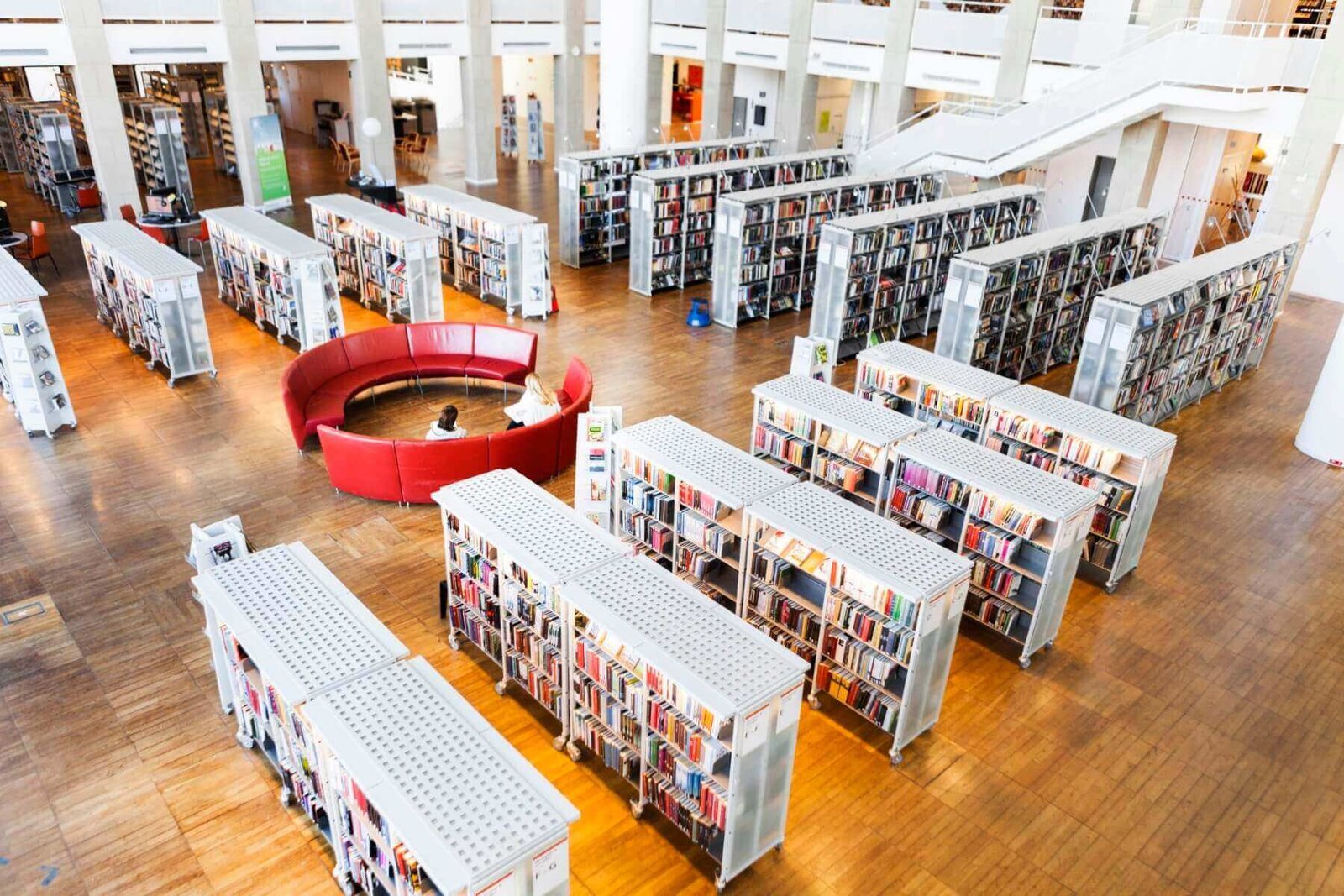
Empowering your Academic Journey with Our Facilities

Curriculum

Final Project Pathways

Develop Work That Defines You

Choose your final pathway - Research or Entrepreneurship - and complete a portfolio-ready project that strengthens your college application narrative.

Research Pathway

Conduct high-quality original research under the guidance of distinguished faculty and graduate mentors, developing the depth of inquiry top universities value.

Top research will be selected for journal submission.

Continued mentorship is available to support further refinement of the research and preparation for conference presentation.

Personalized support is available for academic writing, future publications, and subject-specific competitions.

Entrepreneurship Pathway

Design and prototype AI-driven products, transforming bold ideas into real-world innovations.

Pitch your solutions to industry leaders and investors, with opportunities to compete for recognition and venture funding of up to $5,000.

Strengthen your college application profile by developing a portfolio-ready venture, demonstrating initiative, leadership, and real-world impact beyond the classroom.

Sample Daily Schedule (Residential Program)

07:30 AM – 09:00 AM

Breakfast and morning preparation.

09:00 AM – 11:30 AM

Group Lectures (Foundations & Big Themes)

11:30 AM – 01:00 PM

Lunch and peer exchange.

01:00 PM – 02:00 PM

Interdisciplinary Research & Skills Development Seminars

02:00 PM – 05:00 PM

Project CoLab: Supervised Research & Innovation Lab

05:00 PM – 07:00 PM

Dinner and recharge time.

07:00 PM – 08:30 PM

Optional: Social Activities & Community-Building Events
Students may choose to participate in social and community-building activities or continue advancing their research and innovation projects during designated program hours.

08:30 PM – 09:30 PM

Independent project refinement or free time.

10:00 PM

Residential Check-In.

11:00 PM

Quiet Hours / In-Room.

Sample Daily Schedule (Residential Program)

Morning: Foundations & Intellectual Frameworks

07:30 – 09:00 | Breakfast & Morning Preparation

09:00 – 11:30 | Group Lectures: Foundations & Big Themes

πŸ‘‰Β  Builds both technical literacy + contextual understanding

Midday: Recharge & Intellectual Exchange

11:30 – 13:00 | Lunch & Peer Exchange

Early Afternoon: Research & Skill-Building

13:00 – 14:00 | Interdisciplinary Research & Skills Seminars

πŸ‘‰ Translates knowledge into research capability and execution skills

Afternoon: Project CoLab (Core Block)

14:00 – 17:00 | Project CoLab: Supervised Research & Innovation Lab

πŸ‘‰ Core time for building publishable research or high-impact projects

Evening: Balance, Community & Output

17:00 – 19:00 | Dinner & Recharge

19:00 – 20:30 | Community or Project Time (Flexible Block) Students choose between:

πŸ‘‰ Encourages both community engagement and self-directed ownership

Night: Reflection & Refinement

20:30 – 21:30 | Independent Work / Project Refinement

πŸ‘‰ Reinforces independent thinking and execution discipline

22:00 | Residential Check-In
23:00 | Quiet Hours / In-Room

Admissions & Application Process FAQs

What is the student-to-mentor ratio? Who provides the mentorship?

The student-to-mentor ratio is approximatelyΒ 1 faculty member to every 5–8 students, ensuring personalized guidance and meaningful interaction.

Morning lectures and seminars are led by professors affiliated with leading institutions such as University of California, Berkeley, Stanford University, Yale University, and Massachusetts Institute of Technology.

During afternoon CoLab sessionsβ€”when students actively develop their research or innovation projectsβ€”each small group of 4–5 students is guaranteed at leastΒ two hours of direct interactionΒ with their assigned professor, four days per week.

In addition, teaching assistantsβ€”typically graduate students from top universities such as Stanford, UC Berkeley, Yale, and University of Pennsylvaniaβ€”serve as residential mentors, providing continuous academic and day-to-day support. A residential faculty member is also present on-site throughout the program to oversee operations and offer guidance whenever needed.

Yes. Students who demonstrate strong performance during the program may be invited by their professors to continue working on their projects through guided research or by contributing to ongoing research initiatives.

In addition, we provide support and guidance for students who wish to further develop their work into conference presentations, poster submissions, or potential publications, helping them refine their research and present it at a higher level.

Please note:Β These extended research opportunities are optional and may involve an additional fee, depending on the level of mentorship and duration of support.

Yesβ€”letters of recommendation are available, but they are highly selective and reserved for students who demonstrate exceptional performance throughout the program.

At the end of the program, each professor completes a comprehensive evaluation assessing students on criteria such as intellectual curiosity, initiative, collaboration, and the quality of their research or project work. As part of this evaluation, professors indicate whether they would be willing to write a strong, personalized letter of recommendation.

Only students who stand out in a rigorous, university-level environment are invited to request a letter. This ensures that any recommendation provided carries meaningful weight and credibility in future academic applications.

Please complete the form below to access recorded webinar.

Please complete the form below to access the application.