A 2-week residential program at Yale University and UC Berkeley for curious middle and early high school students who want to explore AI, build real projects, and discover their interests. No coding experience required.
Join a global community of young innovators as you learn AI fundamentals, apply design thinking, and create solutions to shape the future of our cities!
Locations & Dates:
Duration:
Tuition
Tuition includes instruction, housing, meals, program materials, mentorship, and all on-campus activities.
Β
Rolling Admissions. Applications are reviewed on a rolling basis until spots are filled. We encourage you to apply early to maximize your chances of securing a spot at your first-choice campus.
Β
Format:Β Residential, hands-on, project-based
Theme:Β Designing the Cities of Tomorrow
Final Showcase: a solution supported by a comprehensive literature review, technical demos, visual storytelling, and a clear impact narrative for pitching.
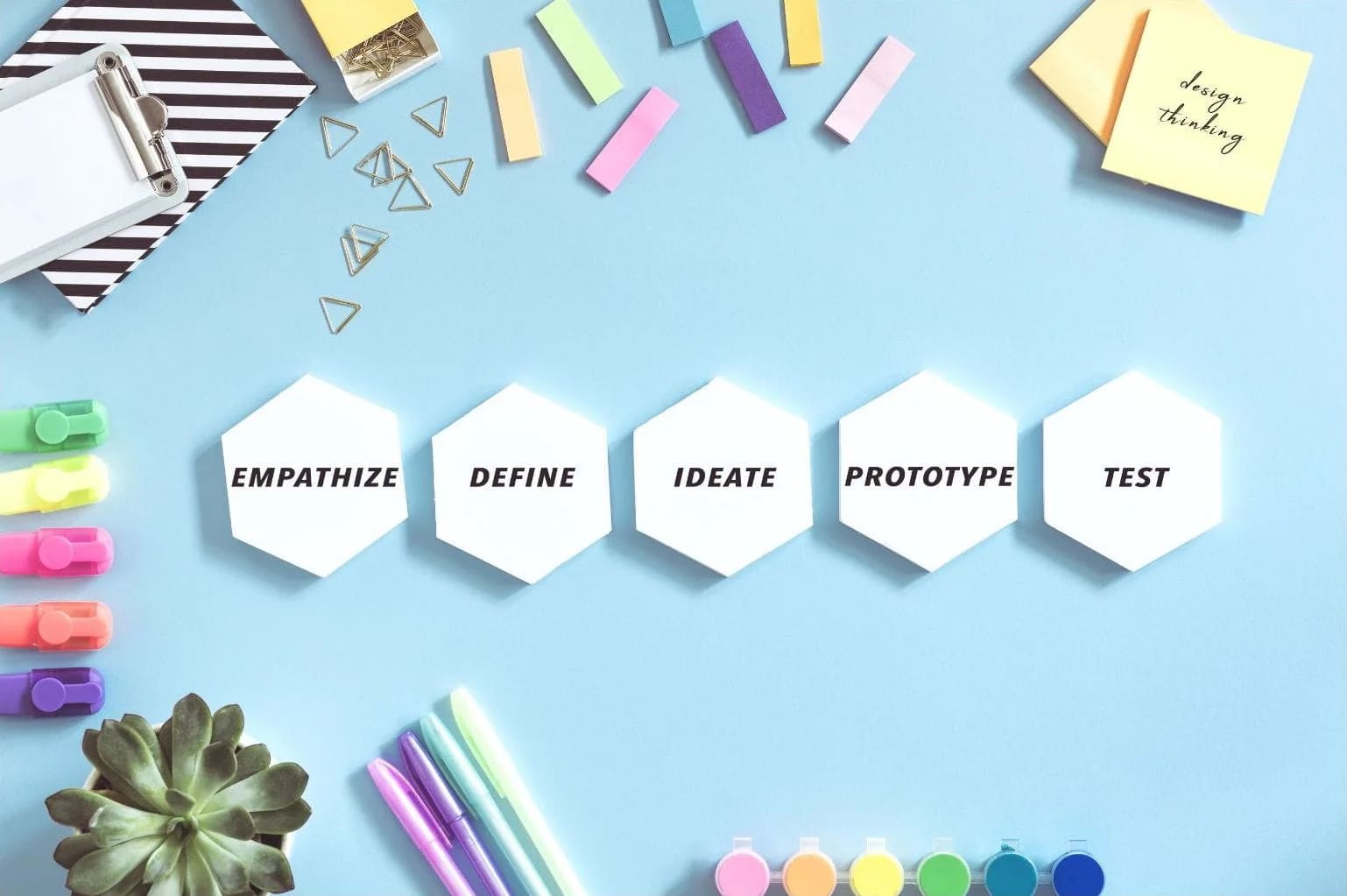
Students follow a human-centered design process to ensure solutions are imaginative, purposeful, and grounded in real-world needs.
Empathize β Define β Ideate β Prototype β Test
Explore challenges related to mobility, waste management, green spaces, public safety, and inclusivity.
Brainstorm imaginative solutions informed by AI tools and user needs.
Build early models, demos, simulations, or visual mock-ups using accessible platforms.
Gather feedback, improve clarity and usability, and align the solution with ethical considerations.
By the end of the program, students will have:
A beginner's understanding of machine learning, LLMs, computer vision, and generative AI.
A documented design-thinking journey and prototype addressing a real urban challenge.
Insight into how AI touches fields from sustainability to health, robotics, media, and policy.
Collaboration, critical thinking, ethical reasoning, and creative storytelling.
Guidance on next steps: AI learning, advanced courses, competitions, and potential pathways into the full AIRES program.
8:00 β 9:00 AM | Breakfast & Morning Check-In
9:00 β 10:15 AM | Core AI Session
10:15 β 10:30 AM | Break
10:30 β 11:30 AMΒ | Research Foundations Seminar (Program Highlight)
π A critical step from learning content β developing independent thinking
11:30 AM β 12:15 PM | Applied Lab
12:15 β 1:15 PM | Lunch
1:15 β 2:00 PM | Rest / Free Time
π Maintain balance, focus, and peer connection
2:00 β 3:30 PM | Design Challenge / Project Work
π Develop projects that can stand out in future applications
3:30 β 3:45 PM | Break
3:45 β 5:00 PM | Workshops / Mentorship
π Strengthen communication, clarity, and project depth
5:30 β 6:30 PM | Dinner
6:30 β 7:30 PM | Community Activities
π Build confidence, collaboration, and leadership
7:30 β 8:30 PM | Light Research & Reflection
π Build the habit of reflective and iterative learning
No. All workshops are designed for beginners. Students with prior coding experience will also benefit, as the program emphasizes technological applications and product engineering rather than advanced programming.
Yes. Residential staff, mentors, and program directors are present throughout the program.
Although it may be a bit early to discuss college applications as middle school students, students benefit greatly from building a real project, engaging with university-level concepts, and exploring academic interests that can inform their future applications.
Only if they are not enrolled in a school where English is the primary language of instruction.
Youβre being redirected to the application form. Please do not close your browser.